
This is a question we are frequently asked by patients with neck pain or back pain.
Yes. Our physiotherapists are trained in skilled manual therapy, including high-velocity, low-amplitude (HVLA) joint manipulation — commonly known as “spinal manipulation” or the “bone-cracking” technique.
However, spinal manipulation is not performed routinely or simply because a patient has neck or back pain. Our physiotherapists first assess your movement, joint mobility and symptoms. Based on the findings, we determine whether joint mobilization or “bone-cracking” is appropriate and safe for you.
During your treatment session, your physiotherapist may use different manual therapy techniques, ranging from gentle joint mobilization to higher-velocity manipulation, depending on your individual needs.
The goal is not simply to “crack” the spine, but to use the most appropriate treatment technique to help improve movement, reduce pain, and support your recovery.
Another common question we receive is: “For my neck pain or back pain, should I see a chiropractor or a physiotherapist?” Both chiropractors and physiotherapists specialise in treating neck and back pain, so the choice can depend on your treatment preferences and previous positive experiences.
Many of our patients choose to see a physiotherapist for their neck or back pain because:
– They have had a good experience with physiotherapy in the past.
– They were recommended by friends or family.
– They were referred by their surgeon or doctor
– They prefer an approach that combines hands-on treatment with joint mobilisation, dry needling, sports taping and exercises.
Ultimately, you can choose to consult a physiotherapist you feel comfortable with or a chiropractor you prefer. What matters most is finding a practitioner you trust and feel confident with.
If you are happy with your first consultation and feel that the treatment approach suits you, you can continue with the recommended sessions and work together towards reducing your pain, improving your movement, and enjoying a better recovery.
Not necessarily. In most cases, you do not need an X-ray or MRI before starting physiotherapy.
If you already have an X-ray or MRI report, you are welcome to bring it along to your consultation. Our physiotherapists can discuss the findings reported by the radiologist with you and explain how they may relate to your symptoms.
However, physiotherapists are not trained to interpret X-ray or MRI images in the same way as a radiologist, so we do not independently analyse the images themselves. We can, however, use the radiologist’s report together with our clinical assessment to better understand your condition.
Your physiotherapist will perform a detailed movement and physical examination. This may include assessing your posture, range of movement, muscle strength, joint movement, and your symptoms during different movements or physical tests.
These findings help us identify the structures that may be contributing to your symptoms, consider different possible diagnoses, and determine the most appropriate treatment approach. In many cases of neck pain, back pain, and other musculoskeletal conditions, a thorough clinical assessment is enough to begin physiotherapy safely and appropriately without imaging.
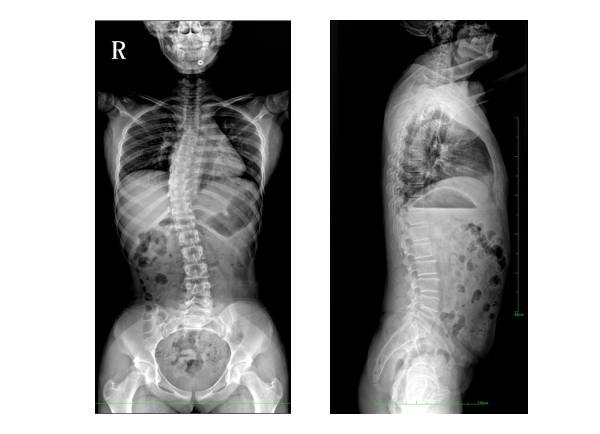
Yes. One important exception is for patients undergoing Schroth-based scoliosis treatment (ISST).
For our physiotherapists are certified to treat scoliosis with Schorth therapy/ISST. (For more details on our approach, you can learn more about the ISST Schroth Method.) , we will require a full-spine X-ray before starting treatment. This allows us to understand the spinal curvatureand develop an appropriate individualised treatment plan.